



Keyes North Atlantic is Going Green!

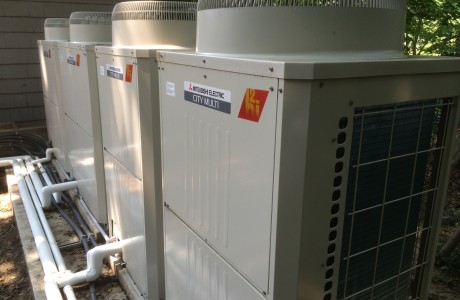
Keyes North Atlantic is constantly striving to improve the quality of work and quality of products that we use.  This year we have researched a new product from a company called Nu-Calgon.

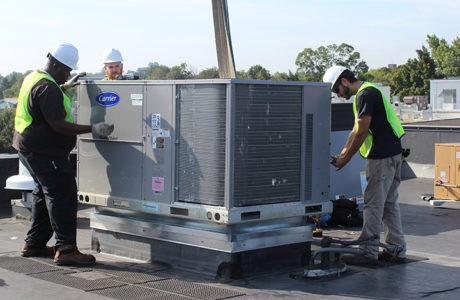
Most people already know that the central air conditioner system is the biggest energy consumer in the average household - even though it only runs 4-5 months a year.  This is one of the reasons that the federal government is focusing to closely on encouraging people to make their existing system as efficient as possible, or to upgrade to newer equipment if you system is more than 7 years old.

The most important thing a homeowner can do to maximize the efficiency of their old equipment is to keep it clean, because even an invisible layer of dirt on the coil causes a big reduction in cooling, causing the system to run longer than it needs to.

In the past, the chemical cleaner used on air conditioner coils was an acid-based product that could be harmful to the environment.  This year, there is a whole new category of coil cleaners available from a company called Nu-Calgon.  They are ester (vegetable) based, and recognized by the United States Environmental Protection Agency, and certified as 100% green.

We feel it is important to be using these products and want to bring “Going Green” to our customers.

Leave the first comment

IGSHPA (International Ground Source Heat Pump Association)

Brad Keyes, co-owner and Director of Planning and Development of Keyes North Atlantic, Inc. has joined the “Sustainable Building Committee” for the Builders Association of Greater Boston in addition to becoming a member of the IGSHPA (International Ground Source Heat Pump Association). This committee will be meeting to review Build Green Massachusetts, an initiative starting later this year by the Home Builders Association of Massachusetts. A Sustainable building, or Green building which it is more commonly referred is a building practice that reduces the overall impact on the natural environment and human health by efficiently using energy, water and other resources.

Comments Off

Heating Systems

Hot Water
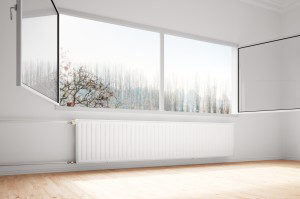
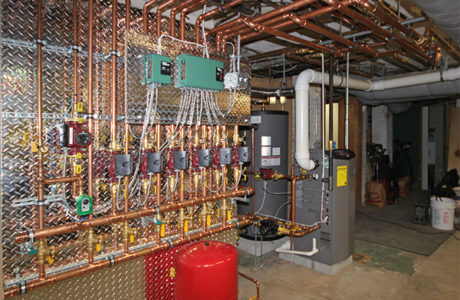
Hot water heating systems use gas, oil or electric boilers to heat water that circulates throughout your home. Many consider hot water based systems to be the best heating system available. The systems are quiet to operate and generally deliver heat to the home at a more constant rate.
One of the benefits of hot water heating is the large variety of delivery systems available. Heating elements may include one or more baseboard mounted units, free standing radiators, in-floor radiant heat and in-line heating coils. If you’d like to know more, please feel free to visit our page on hot water heating systems.
Hot Air
Hot air systems use ductwork to deliver warm air to the rooms of your home. Cooler air is then drawn through return air grills to a furnace or air handler to be filtered and re-heated. Furnaces are available in gas, oil and electric configurations.
Gas and oil fired furnaces create heat by burning the fuel and passing the flue gasses through a heat exchanger which in turn heats the air from your home. Electric furnaces are used in connection with heat pump systems and in all-electric homes. Click here to find out more about hot air heating systems.
Radiant Heat
Radiant heating systems are based on the same principles as hot water systems. The system utilizes a central boiler along with a piping system to distribute heat throughout the home. But unlike homes with baseboard units or radiators, a radiant heating system distributes the heat through tubing placed in the floor (or sometimes in the walls or ceilings) of a room. The system is called a radiant system because a large portion of the heat given off by the system is in the form of radiant heat waves (as opposed to convection currents). The result is a very even heat that has the ability to make you feel warm even when next to windows and doors in the room. Click here to find out more about radiant heating systems.
Heat Pump

Heat pumps are combination heating and cooling systems that use ductwork to distribute heated or cooled air throughout your home. In the Northeast, heat pump systems are equipped with a secondary heat source for additional heating capacity when the outdoor temperature falls to the 20 degree F. range and below. Heat pumps are often used when a more conventional fossil fuel system can not be utilized. Click here to find out more about heat pumps.
Hydro-Air

Hydro-Air is another equipment configuration used in a hot air heating system. The hydro-air system uses ductwork and an air handler to move the air in the home across a hot water coil. The comfort you get in the house is the same as a conventional hot air furnace (as described above), but the heat actually comes from a hot water boiler. This system is a hybrid of the conventional hot water and hot air heating designs. These systems are useful in homes that want central heating and cooling but don’t want to pay the higher cost of installing two completely independent systems.
Hydro-Air Heating and Cooling Systems

Hydro-air systems use some elements of both hot water and hot air heating designs to create a heating system that can interface with central cooling in a very cost effective way. A typical system uses a single gas or oil fired boiler to produce the heat for the entire home. The boiler delivers heat to air handlers equipped with an in-line heating coil. The ductwork from the air handler connects to conventional supply air diffusers and return air grills throughout the home (or portion of the home for multiple zone systems.)
The installation savings of this design come in when we add cooling to the home. The air handlers that distribute the heat are also equipped with cooling coils so the distribution ductwork and air handler are utilized for both heating and cooling.
Design
When we prepare a design for the installation of a hydro-air system in your home we base the equipment on the heat loss and heat gain of your home. We do specific calculations in order to determine how much heat your house absorbs each hour during the summer months, and how much heat your house loses each hour during the winter months. The major factors, which determine the amount of heat gain and loss, are the size of your house, the number and compass orientation of windows, and the amount of exposed roof area.
We choose a boiler based on the heating demands determined in the heat loss calculations. The number of air handlers used is based on your home and where you desire separate zones. For example, a master suite with a bedroom, dressing room and bathroom may be perfect single zone. A portion of the home that contains the children’s bedrooms and lavatories may be a second zone. A third zone can be designed to serve the formal portions of the home and a fourth zone to serve the kitchen, breakfast room and family area.
Once we split up the zones, we size up the cooling equipment. Typically we’ll provide you with an independent cooling system for each air handler or zone in your home. The cooling capacity is based on the heat gain of the zone.

Leave the first comment

Cooling - Air Conditioning

Central Cooling Systems: Ducted
Ducted cooling systems are typically installed in buildings that use hot water or steam heat. We do specific calculations in order to determine how much heat your house absorbs each hour during the summer months. The major factors which determine the amount of heat gain are the size of your building, the number and compass orientation of windows, and the amount of exposed roof area.
The quantity of heat gain is measured in BTUs - every 12,000 BTUs equals one ton of cooling. Heat gain is calculated in total number of BTUs per hour. When we select the central cooling equipment for your building, the heat gain (cooling figure) will determine the capacity of the equipment we install. It is important that we install neither too much nor too little cooling. If the equipment is undersized for cooling, the building will not be cold enough on hot days. If the equipment is oversized for cooling, the indoor air will not be properly dehumidified, and will feel cold and clammy.

Central Cooling Systems:Ductless Cooling Systems
Ductless systems are units that combine some of the features of larger central cooling systems and window units. Like larger central cooling systems, there are two major components, an indoor unit that delivers the cold air and an outdoor component that discharges the hot air to the outside. Like window units, there is no ductwork to deal with, so there’s more freedom of where you can install one.

Benefits include:
Most of the sound of the unit is outside in the condensing section. Here the compressor and fan discharge the heat from your facility and prepare the refrigerant for absorbing more heat as it’s passed back inside to the indoor section.

No ductwork is needed because the indoor section is designed to be placed directly in the room you want to cool. The indoor sections can be mounted on the wall, ceiling or floor. Warm air from the room is drawn through the bottom of the unit to have moisture removed, filtered and cooled before its returned through adjustable louvers at the top of the unit.

A remote control just like a television clicker is available for added convenience. You choose the fan speed and temperature from anywhere in the room.

Leave the first comment

Savant AV

a1919_350x350Savant designs, develops and manufacturers a complete suite of integrated solutions that has defined the modern age of home automation. These products deliver home control and automation, multi-room audio/video, advanced digital audio and video processing, extremely flexible and scalable audio/video switching, digital media server and jukebox capabilities, and an array of integrated applications and services.

Learn more at the Savant website.

Leave the first comment

Lutron dimmer

vierti_img_dimmer Lutron Electronics Co., Inc. has introduced the Vierti™ lighting dimmer. You and your friends will intuitively reach out and touch the Vierti™ dimmer; Set the perfect light level with a single-touch or the slide of your finger anywhere along the LED bar. Learn more at Lutron’s website.

Leave the first comment

Lutron HomeWorks Products


We are pleased to introduce you to the latest Lutron HomeWorks products.

Lutron has come out with innovative products to enhance your current HomeWorks System.

homeworks_iphoneA HomeWorks system can now be controlled by your Apple® iPhone and iPod Touch devices via the web.

You can now include lamps in your HomeWorks system.  This unit mounts under the lamp shade, providing a clean intuitive design solution.homeworks_lamp

Communicates wirelessly to your existing HomeWorks System

Controls lamps locally

Switches incandescent and fluorescent sources, providing homeowners with an additional eco-friendly option

HomeWorks iPhone/iPod Touch 

HomeWorks Lamp

Leave the first comment

Staff Email List

Alphabetically by last name
John Buell  johnb@keyesweb.com
Walter Byrnes walterb@keyesweb.com
Bill Curtis billc@keyesweb.com
Julie Devlin  julied@keyesweb.com
Kevin Doran kevind@keyesweb.com
Claire Douglas claired@keyesweb.com
Justin Evans  justin.evans@keyesweb.com
Olga Faybushevich olgaf@keyesweb.com
Susan Keyes susank@keyesweb.com
Ken Keyes   kenk@keyesweb.com
Brad Keyes  bradk@keyesweb.com
John Lombardo johnl@keyesweb.com
Bill Looney  billl@keyesweb.com
Gwynn MacDonald-Jackson  gwynnm@keyesweb.com
Bryan  Marino  bryanm@keyesweb.com
Jason Marino  jasonm@keyesweb.com
Stan McConnell  stanm@keyesweb.com
Gelitza Melendez  gelitzam@keyesweb.com
Paul Moran  paulm@keyesweb.com
Kathy O’Leary  kathyo@keyesweb.com
George Page georgep@keyesweb.com
Gail Prescott  gailp@keyesweb.com
Bill Thompson  billt@keyesweb.com
Laurie Thompson  lauriet@keyesweb.com
Richard Tropeano  rickt@keyesweb.com
John Vincenzino  johnv@keyesweb.com
Jimmy Yee  jimmyy@keyesweb.com
Kris Yerby  kris.yerby@keyesweb.com

Leave the first comment

Staff

Senior Management

Susan Keyes-President and CEOkeyess

Ms. Keyes joined the firm in 1977. Susan is responsible for monitoring the balance between all the services we provide, and for our administrative and internal operations. Susan is charged with creating strategies for improvement in the company’s services.

Paul Moran-Director of Operationsmoran

Mr. Moran started work with us in 1986. Paul is responsible for overseeing all of the company’s work in the field. Paul works with Susan in creating strategies for improving the company’s services.

Brad Keyes-Director of Planning and Developmentbrad_keyes

Mr. Keyes joined the firm in 1976. Brad is the firm’s lead designer. Brad identifies and implements special projects that affect the long-term goals of the company.

Alarm Department

Stanley McConnell-Alarm/Electrical Service Manager

Mr. McConnell has been with us since November, 1988, and has been the Alarm Service Manager since 1995. Stan directs the alarm service technicians and organizes all the testing, maintenance, and repair work for our alarm customers.

Jimmy Yee-Fire Alarm Testing Supervisor

Mr. Yee coordinates fire alarm and sprinkler testing services.

Bill Looney-Alarm/Wiring Service Coordinator

Electrical Department

John Lombardo-Electrical Installation Manager

Mr. Lombardo has been with us since 1982. John works on project planning, design, pricing and job-site management for electrical installations.

John Buell-Electrical

Mr. Buell has joined Keyes Electric in 1966 while he was still in high school. John directs our service electricians in answering calls for from both commercial and residential customers for repairs and replacements.

Heating-Cooling Department

Kevin Doran-HVAC Service Manager

Kevin joins KNA with more than twelve years serving in the United States Navy and the private sector as both a manager and a leader. Most recently, Kevin was the service manager at another HVAC company in Woburn. Kevin is a licensed construction supervisor and certified LEED AP.

Walter Byrnes-HVAC Operations

Mr. Byrnes joined us in 1999.  Walter directs our HVAC Operations. Walter  received his degree in Mechanical Engineering from the Umass Lowell School of Engineering.

Gwynn MacDonald-HVAC Service Department Administration Manager

Ms. MacDonald has been with us since 1986. Gwynn facilitates customer service, works on pricing for our current customers, and oversees the general flow of recordkeeping for this busy department.

George Page-Special Project Manager

Mr. Page has been with us since 1990. George coordinates the work of all of the installers working on heating/cooling projects.

Administrative Staff

Gail Prescott-Marketing Manager

Ms. Prescott joined us in 1997 as our first Sales and Marketing Manager. Gail oversees all of our customer communications, including production of our Changing Seasons newsletter and our web site.

Olga Faybushevich-Billing Coordinator

Ms. Faybushevich joined us in 1991. Olga is responsible for all billing for all of our service, planned maintenance, and testing work.

Ken Keyes-Resource Manager

Mr. Keyes started work here in 1989. Ken is responsible for coordination of all the resources our company uses including vehicles, communications services, and our inventory. Ken is also our resident computer network specialist.

Leave the first comment

Smoke Detectors

smokeSmoke detectors send a unique identifier signal to the fire alarm control panel which then displays the exact location of the detector in alarm. An alpha-numeric annuciator allows occupant and fire response personal to know the location of smoke with ease.

Leave the first comment